
You’re Not Alone: Finding Resources for Single Mothers Near Me
Resources for single mothers near me are more accessible than most people realize — and this guide is your starting point.
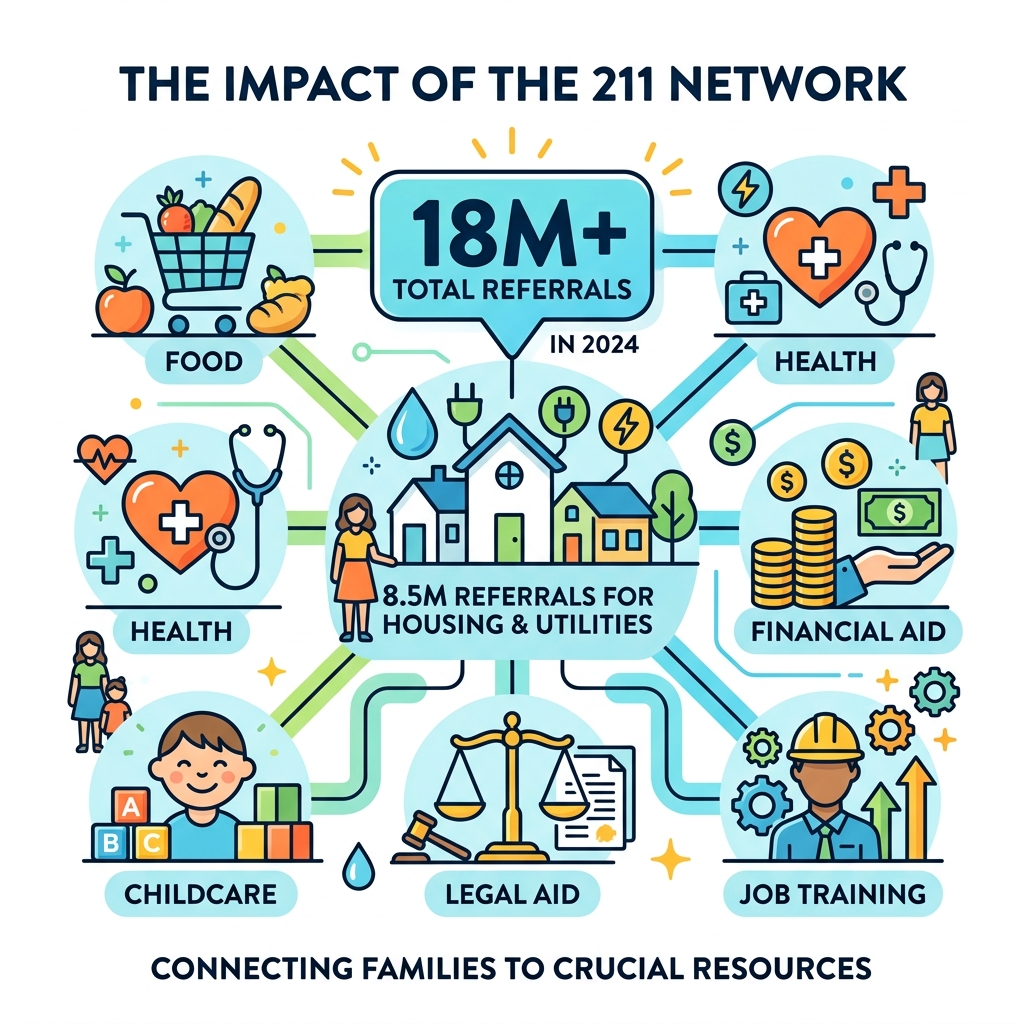
Here are the main types of local support available right now:
| Category | Where to Start |
|---|---|
| Financial aid & cash assistance | TANF, 211 helpline, local community action agencies |
| Housing & homelessness prevention | HUD, Section 8, emergency rental assistance programs |
| Food & nutrition | SNAP, WIC, local food banks, school meal programs |
| Healthcare & mental health | Medicaid, community health clinics, domestic violence hotlines |
| Childcare & education | Head Start, state-licensed childcare subsidies, FAFSA |
| Job training & employment | Local workforce centers, Job Corps, career navigators |
| Legal aid | Pro bono legal services, Law Help, family law clinics |
| Community & peer support | YWCA, 211 network, local support groups |
Your fastest first step: Call or text 211. It’s free, confidential, and connects you to local services in your area within minutes.
The numbers paint a stark picture. One in four children under 18 is being raised by a single mother. And while single-mother households make up about 22% of families with children, they represent more than half of all families living at or near poverty.
That gap is real. And it’s heavy.
But so is the support network that exists to close it.
A 211 caller once shared: “This phone call has given me more hope than I ever thought possible. I have been beaten down for so long and told that I could never be anything.” That’s not an unusual story — it’s a common one. And it’s exactly why knowing where to look matters.
This guide maps out every major category of support — from emergency cash and housing to childcare, legal aid, and community connection — so you can find what you need, faster.
Navigating Financial and Housing Resources for Single Mothers Near Me
When the bills pile up, the weight can feel crushing. We know that for many solo parents, a single car repair or a spike in utility costs can threaten the stability of the entire home. Fortunately, there are several layers of financial and housing protection designed specifically to keep families under a safe roof.

The most well-known federal program is Temporary Assistance for Needy Families (TANF). This provides monthly cash payments to help low-income families pay for essentials like clothes, housing, and transportation. Beyond direct cash, Section 8 (Housing Choice Vouchers) and HUD (Department of Housing and Urban Development) programs offer subsidized rent, ensuring you don’t have to spend 70% of your paycheck just to keep the lights on.
For those facing immediate crisis, emergency rental assistance programs and homelessness prevention initiatives are available in almost every county. If you are struggling with the “hidden” costs of homeownership or renting, look into Weatherization Assistance Programs. These services help make your home more energy-efficient—sealing windows and insulating walls—which permanently lowers your monthly utility bills.
If you’re feeling overwhelmed by the logistics of solo parenting, check out our advice for single parents to help you find your footing.
Understanding Direct Cash Assistance Pilots
In recent years, a model of support has emerged: unrestricted direct cash assistance. Programs like the Project HOME Trust have shown that when we trust mothers with the funds they need, the results are incredible.
These pilots often provide a monthly stipend (frequently around $1,000) with no strings attached. Research shows that 68% of participants see an immediate improvement in financial security, and 89% of their children report feeling happier. This model helps families navigate the “benefits cliff”—that frustrating moment where a small raise at work disqualifies you from government aid, leaving you worse off than before.
| Feature | Traditional Welfare (TANF) | Direct Cash Pilots (Project HOME) |
|---|---|---|
| Flexibility | Restricted to specific categories | Unrestricted (spend where needed) |
| Dignity | Often involves heavy monitoring | Trust-based model |
| Impact | Provides a basic safety net | 74% improvement in basic needs |
| Goal | Survival and compliance | Empowerment and stability |
Finding Emergency Utility Support
No one should have to choose between buying groceries and keeping the water running. Programs like LIHEAP (Low Income Home Energy Assistance Program) and MEAP (Michigan Energy Assistance Program) provide direct help with heating and cooling bills.
Many cities now offer Lifeline Plans for water. For example, some plans offer fixed, affordable rates based on household size, sometimes providing up to 1,125 gallons per member monthly. There are also “Arrearage Forgiveness” programs that can wipe out old utility debt if you stay current on your new, lower payments.
Essential Health, Food, and Wellness Support Systems
Nutrition and health are the foundation of a thriving family. If you are searching for resources for single mothers near me, the “nutrition safety net” is often the most robust.
WIC (Women, Infants, and Children) provides specific healthy foods, nutrition education, and breastfeeding support for pregnant women and children under five. For older children and general household needs, SNAP (Supplemental Nutrition Assistance Program) provides an electronic card used like a debit card at grocery stores.
We’ve also compiled some parenting hacks for busy moms to help you manage meal prep and household tasks when time is tight.
Mental Health and Domestic Violence Advocacy
The emotional toll of parenting alone is significant. Mental health counseling isn’t a luxury; it’s a necessity. Many community centers offer sliding-scale therapy, and organizations like the YWCA provide specialized support for survivors of domestic violence.
If you are in an unsafe situation, crisis intervention services and safe shelters are available 24/7. These programs don’t just provide a bed; they offer court advocacy, trauma counseling, and the emotional support needed to break the cycle of isolation.
Accessing Nutritional Support for Children
Hunger doesn’t take a summer vacation. The Summer Food Service Program (SFSP) ensures children receive free, nutritious meals when school is out. During the school year, the National School Lunch and Breakfast programs are vital.
For the tiniest family members, Diaper Banks and Healthy Start initiatives provide diapers, formula, and clothing. Some programs even offer early childhood eye care and free exams to ensure your child’s development is on track from day one.
Career Advancement and Educational Opportunities
Improving your earning potential is the most sustainable way to achieve long-term independence. We believe that a mother’s education is an investment in the entire family’s future.
Financial barriers to college can be overcome through FAFSA (Free Application for Federal Student Aid) and Pell Grants, which do not have to be repaid. If you’re looking to enter the workforce quickly, look into apprenticeships or Job Corps, which provides vocational training and even housing for younger parents.
Finding the time to study is the hardest part. That’s why programs like Mom’s House – Free Childcare for single parents attending school full time are so vital. They provide state-licensed childcare at no cost while you are in class, removing the biggest hurdle to graduation.
Learning how to balance work and parenting is a skill in itself, and we’re here to help you master it.
Finding Career Resources for Single Mothers Near Me
Local Workforce Centers and “Employment Navigators” are experts in helping single moms find flexible, family-friendly work. They offer:
- Resume Building: Highlighting your “soft skills” (like time management and multitasking).
- Interview Attire: Organizations like Dress for Success provide professional clothing for free.
- Workforce GPS: Online tools to track high-demand jobs in your specific zip code.
Childcare and After-School Development
Head Start and Early Head Start are the gold standard for early childhood education. They provide a holistic approach, including health screenings and family support, for children from birth to age five.
For school-aged kids, look for the LEAPS program or local “Accelerate to Great” initiatives. these offer after-school and summer enrichment that keeps kids safe and engaged while you finish your workday.
Building Your Village: Community, Legal, and Tech Support
They say it takes a village, but for a single mother, that village often has to be built from scratch. Community support is about more than just money; it’s about connection.
The 211 network remains your best tool for finding local mentoring and support groups. Whether it’s a faith-based group or a neighborhood “Single Mom Co-op,” meeting others who understand your journey can reduce the feeling of emotional isolation.
Managing the logistics of a split household? Our guide on how to master your holiday co-parenting calendar can help reduce stress during the busiest times of the year.
Accessing Legal Resources for Single Mothers Near Me
Legal issues—from custody disputes to housing mediation—require professional help that many cannot afford. Pro bono legal aid programs connect you with lawyers who volunteer their time. Services like “Law Help” or “Free Legal Answers” allow you to get virtual advice on civil matters, bankruptcy filing, and victim advocacy without the high hourly fees.
Connecting with Local Mentorship Programs
Mentorship can change the trajectory of a child’s life. Programs like Big Brothers Big Sisters provide children with additional positive role models. For the moms, peer-bonding groups at the YWCA or local community centers offer a safe space to share resources, vent, and celebrate wins.
Specialized Assistance for Veterans and Children with Disabilities
If you are a veteran or a mother of a child with special needs, there are specific “hidden” resources for single mothers near me that you should know about.
Support for Veteran-Led Households
The SSVF (Supportive Services for Veteran Families) program is specifically designed to prevent homelessness among veterans. It provides rapid re-housing, mental health treatment referrals, and job placement assistance. Veteran-led households can also access specialized Social Security benefits and transition assistance that recognizes their unique service to the country.
If you’re a veteran balancing a new career and a family, you might find our second guide on how to balance work and parenting 2 particularly helpful for managing high-stress environments.
Resources for Children with Special Needs
Raising a child with disabilities requires extra resources—both financial and emotional.
- SSI (Supplemental Security Income): Provides monthly payments for children with physical or mental disabilities.
- Empower Abilities: Local organizations that offer adaptive transportation and respite care.
- Specialized Grants: Some foundations, like the Eternal Smiles Foundation, provide orthodontic grants for children who need braces but can’t afford them.
- Therapeutic Camps: Programs like Camp Barnabas offer Christian camping experiences specifically for children with special needs.
Frequently Asked Questions about Local Resources
What are the general eligibility requirements for single mother assistance?
Most programs use the Federal Poverty Level (FPL) as a guideline. Eligibility is usually based on your household size and total gross income. For example, WIC is available to those at or below 185% of the FPL, while SNAP requirements are often lower. Some programs, like Head Start, prioritize “categorically eligible” families, such as those experiencing homelessness or receiving TANF.
How do I apply for multiple programs at once?
Many states now use a Universal Application or a “Common App” for benefits. This allows you to check your eligibility for SNAP, Medicaid, and TANF all in one place. Your local Community Action Agency is the best place to find these “one-stop-shop” applications.
Where can I find immediate help if I am facing homelessness?
Call 211 immediately. They maintain a real-time list of available shelter beds and emergency hotel vouchers. You can also search for “Continuum of Care” (CoC) providers in your city, which are networks of organizations dedicated to ending homelessness.
Conclusion
At Curta Arte, we believe that being a single mother is one of the toughest—and most rewarding—jobs on the planet. Our goal, led by the empathetic guidance of writers like Aria James, is to ensure that no mother has to walk this path alone.
By leveraging the resources for single mothers near me outlined in this map, you aren’t just seeking “charity”—you are accessing the tools necessary to build a legacy of self-sufficiency and strength for your children. Breaking the cycle of poverty starts with a single phone call or a single application.
You have the resilience; now you have the map. Discover more expert parenting tips and resources to continue your journey toward a stable, happy home.
